
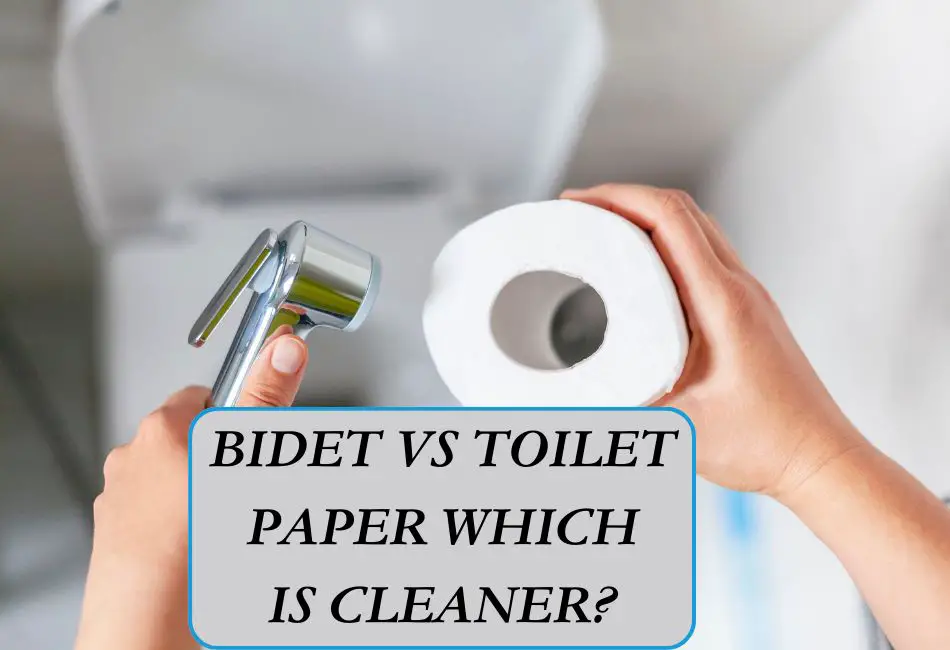
The bidet, a plumbing fixture designed for washing the human genitalia, anus, and surrounding area, is a popular alternative to traditional toilet paper, particularly in parts of Europe and Asia.
While many assume that bidets are a more sanitary option, given their function of providing a direct wash instead of mere wiping, there is a wide range of opinions on the matter.
The ongoing debate between bidet and toilet paper usage involves several factors, including hygiene, environmental impact, and cost-effectiveness, and it calls for a comprehensive understanding of both options.
This document aims to delve into these factors, shedding light on the bidet versus toilet paper discussion from an objective and informed perspective.
The Bidet Advantage: A Cleaner Experience
Water vs. Paper: Removing Fecal Matter
Bidet’s Efficiency in Fecal Matter Removal
Speaking from personal experience, the bidet provides an efficient and refreshing way to clean after using the bathroom.
Just imagine getting mud on your hands – you wouldn’t wipe it off with a paper towel and call it a day, right? You’d wash it off with water!
The same principle applies to using a bidet. It simply gets the job done with an unrivaled level of cleanliness and comfort.
Comparison with Toilet Paper
When comparing the bidet with traditional toilet paper, I’ve noticed that the bidet tends to leave me feeling cleaner.
Toilet paper, while convenient, often falls short of providing that squeaky-clean feeling. It sometimes leaves residue behind, whereas a bidet makes me feel fresh every time.
Hygiene Claims by Bidet Retailers
Tushy’s Perspective
Tushy, a premier bidet manufacturer, asserts that bidets are more hygienic than toilet paper.
As a loyal Tushy user, I can affirm that their bidets have immensely improved my personal hygiene routine.
Bidet.org’s List of Ailments
Bidet.org claims that bidets can help alleviate several health issues, such as hemorrhoids, UTIs, and anal itching.
While I thankfully haven’t had to deal with these, some of my friends have swear by their bidets to help alleviate these uncomfortable conditions.
Brondell’s Assertion on Preventing Infections
Brondell argues that bidets can help prevent urinary tract infections. I can’t speak from personal experience here, but I’ve heard positive stories from friends who’ve noticed a decrease in UTIs since incorporating bidets into their hygiene routines.
Dr. John Swartzberg’s Evaluation
Lack of Medical Evidence
Dr. John Swartzberg, a medical expert, states that no concrete medical evidence supports the notion that bidets are more sanitary than toilet paper.
I respect his views and the need for more research in this area, but the bidet’s benefits go beyond just cleanliness.
Bidet’s Impact on Health Issues
Despite the lack of scientific evidence, Dr. Swartzberg does acknowledge that bidets may provide relief for people suffering from issues like hemorrhoids.
This mirrors what I’ve heard from several acquaintances who have experienced relief after switching to a bidet.
The Itchy Butthole Dilemma
Pruritus ani, a fancy term for an itchy anus, is a common problem experienced by many. I was surprised to learn that this issue affects up to 5% of the population at any given time.
Underlying causes can range from dietary factors to certain medical conditions. I can still vividly remember a time when I ate too many spicy foods, which, as it turns out, can irritate the anal area and cause itching.
Bidets as a Solution
Water Cleaning vs. Irritating Toilet Paper
Upon experiencing the discomfort of an itchy backside, I began researching solutions and stumbled upon bidets.
It turns out that toilet paper, especially the rough kind, can further irritate the skin, increasing the itching.
The gentle water cleaning was a revelation when I switched to using a bidet. Not only did it feel more thorough than toilet paper, it helped soothe my irritated skin.
Bidet’s Role in Anorectal Pressure Reduction
Another benefit of bidets I discovered is their role in reducing anorectal pressure. High anorectal pressure can exacerbate itching, especially in people with hemorrhoids.
I found using a bidet decreased this pressure, providing additional relief from pruritus ani.
Cautionary Notes on Bidet Settings
That said, it’s important to be mindful of bidet settings. I learned this the hard way when I first used a bidet and had the water pressure set too high, causing additional discomfort.
Now, I recommend starting with a low pressure and adjusting as necessary, ensuring a comfortable and beneficial experience.
IV. Bidets and Other Medical Conditions
A. Potential Alleviation of Anal Fissures, Hemorrhoids, and Constipation
Limited Data on Bidet Impact
Whilst dealing with my own discomfort, I started to wonder about bidets and their possible impact on other anal and rectal conditions. I found limited data on this topic, but there seemed to be some anecdotal evidence suggesting benefits.
Conflicting Reports on Bidets and Anal Fissures
I came across conflicting reports on the role of bidets in managing anal fissures. Some sufferers claimed relief, while others found no significant change. It seems that personal experiences may vary widely.
B. The Importance of Water Pressure Control
Risks of High-Pressure Settings
Here’s a word from the wise: Beware of high-pressure settings on your bidet! I learned firsthand how painful it could be when I inadvertently used a high-pressure setting. It can cause additional discomfort, especially for those with existing anal fissures.
Dr. Swartzberg’s Warning
I stumbled upon a warning from Dr. Swartzberg about the potential harm caused by high-pressure bidet use. His advice? Always start low and adjust as necessary!
Feminine Wash Feature: Necessary or Not?
Bidet’s Feminine Wash Function
The Question of Vaginal Cleaning
The feminine wash function of bidets is a topic that drew my attention. However, whether this feature is necessary seems to be a matter of personal preference and comfort.
Microflora Alteration Concerns
I found some concerns about the potential for bidets to alter the natural vaginal microflora. More research is needed to understand this possibility fully.
Bidets and Urinary Tract Infections
Lack of Supporting Data
In my search for information, I found a lack of supporting data linking bidet use to decreasing urinary tract infections.
Potential Urethral Irritation
Some reports suggest caution, as bidet use could potentially cause urethral irritation, potentially leading to an increased risk of infection.
Safety Concerns with Bidet Usage
Scald Burns and Bidet Use
Reported Cases of Scald Burns
While bidets can be a boon, they come with their safety concerns. I found reported cases of scald burns due to high water temperature settings.
Bidet Temperature Regulation
From my own experience, I can’t stress enough the importance of regulating the water temperature to prevent such accidents.
Bidets for Those with Limited Mobility
Positive Effects on Nursing Homes
During my research, I learned about the positive effects of bidet use in nursing homes, enhancing hygiene standards and independence.
Considerations for Aging in Place
For those considering aging in place, a bidet can be a beneficial addition to their bathroom, providing easier and more comfortable hygiene management.
Challenges in Studying Bidets Medically
Lack of Control Groups in Bidet Studies
According to Dr. Swartzberg, an issue with many bidet studies is the lack of control groups, which hinders the drawing of firm scientific conclusions.
Practical Difficulties in Scientific Evaluation
He also highlighted the practical difficulties in studying bidets from a scientific viewpoint due to their use’s highly personal and subjective nature.
Conclusion
In my journey, I’ve learned that using a bidet is a personal choice. Considering your comfort and medical conditions, You must weigh the potential benefits and risks.
Caution and moderation have been my guiding principles in bidet use, and I would recommend the same to others. As with everything else, balance is key!
While I found limited solid scientific evidence, anecdotal reports suggest that bidets can benefit certain medical conditions, such as hemorrhoids and constipation.
In my view, the bidet vs toilet paper debate comes down to personal preference. For me, a bidet’s gentle, soothing wash wins hands down over harsh toilet paper, but your experience may differ. Find what works best for you, and go with it!